I build AI products fast, then I make them defensible.
Most people building with AI right now optimize for speed or rigor. I don't think you have to choose. I'm Pavan Marisetti, a product executive who ships AI native products in weeks, then spends the next few proving they hold up under governance, cost, and risk. That's the whole method.

How I ship: test loud, launch quiet.
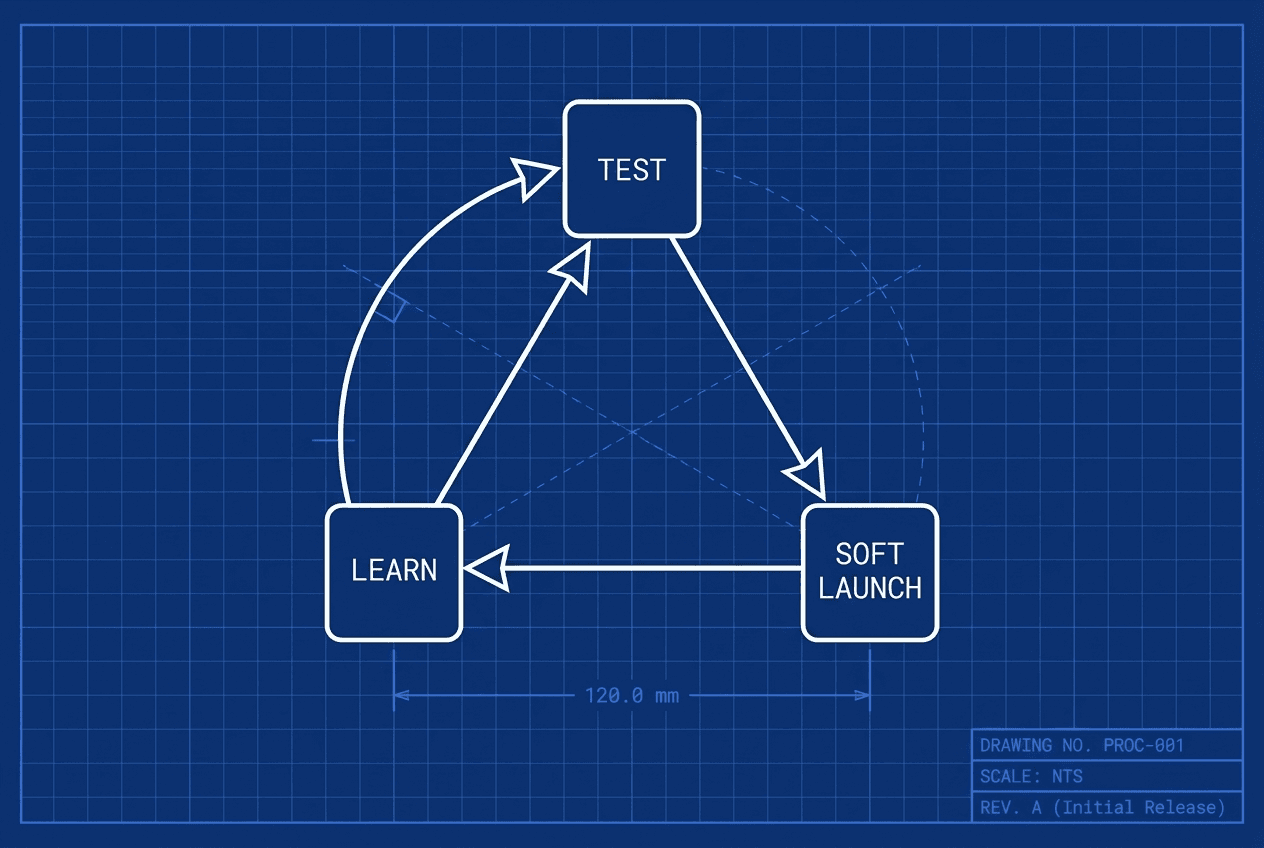
I use AI to compress the distance between an idea and a working prototype. A product requirements doc that used to take a week takes an afternoon. A pricing model with real driver assumptions, sourced and citable, same.
But speed only earns you the right to test, not the right to launch. Every build gets a soft launch first: a small, real audience, real usage data, and a kill switch if the numbers don't hold.
I've watched too many AI products confuse a fast demo for a finished product. I'd rather be slow to announce and fast to build.
I split my freelance work into two buckets, because most consultants don't and it wastes your money. Some of what a product function needs is now automatable: a PRD, a pricing model, a wireframe set, a content system. I've built repeatable systems for these, not templates, so I deliver them in days, not weeks, at a fraction of agency cost.
The rest still needs a human who has done it before. Deciding what to automate and what not to. Setting the risk boundary on an AI agent before it touches a customer. Building the story that gets a fundraise or a roadmap approved. That's where I show up personally, not my tools.
If you're a mid-market or early stage team that needs product leadership without a full-time hire, this is probably the fastest way to get it.
Sprint work
 PRDs
PRDs Pricing models
 Wireframes
 Content systems
Fractional leadership
 Agent governance strategy
 Product org design
 Roadmap and hiring
Block Convey
Co-founder, Head of Product. Full time.
We build the QA and governance layer for AI agents, the infrastructure that tells you an agent is safe to deploy before your customer finds out it isn't. This is where my full attention goes.
Muneshot Ventures
Part time, by design.
I write small checks into early stage startups solving chronic illnesses with AI that's native to the problem, not retrofitted onto it. It keeps me close to a field I find genuinely interesting without pulling focus from the work I do full time.
FinancePro
AcquiredCofounder & CEO
FinancePro is a B2C Mobile platform that automated student paychecks to help them paydown their student debt while they are still in College, acquired by a large life insurer for $1.6m
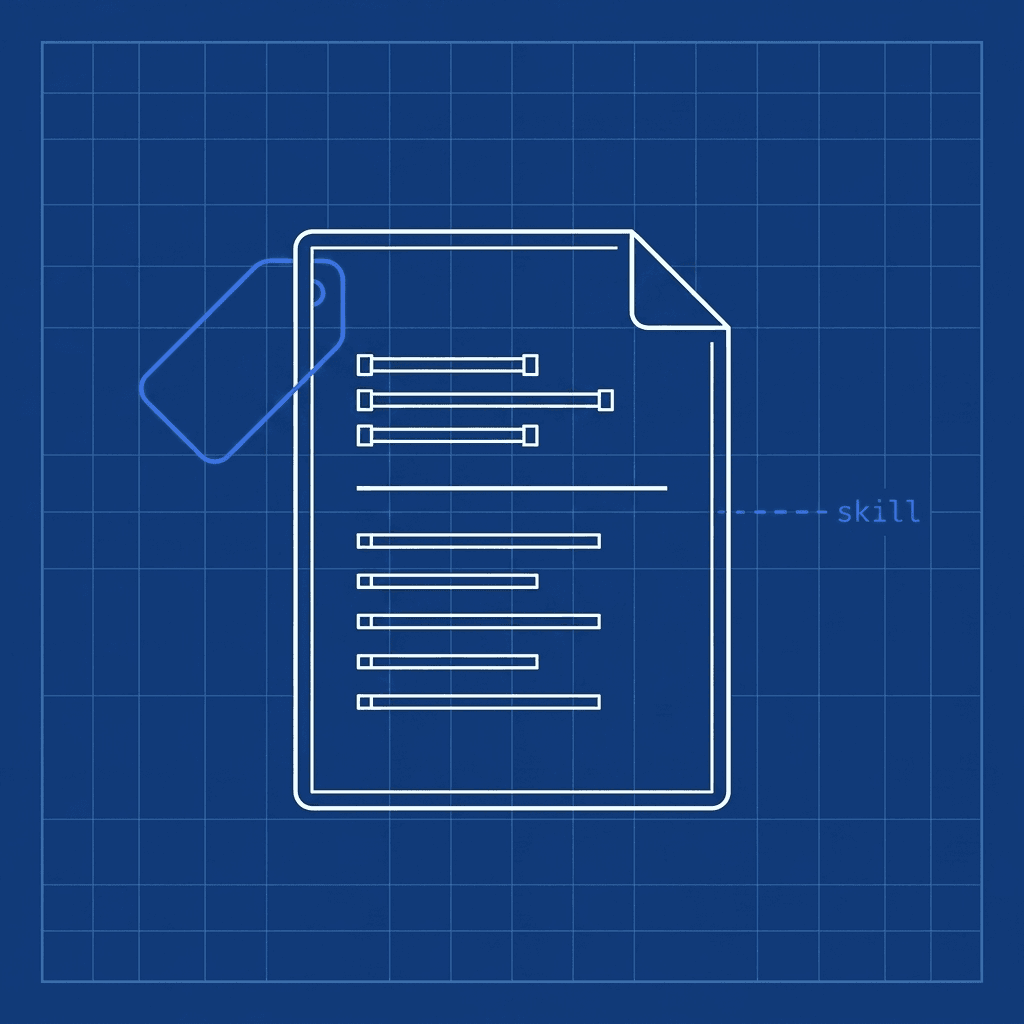
I build a lot of my own tooling in Claude: PRD generators, pricing models, wireframe systems, content calendars. Most of it started as something I needed for myself.
I'm starting to share pieces of it as skills you can run on your own Claude. No account, no software, just a prompt template that encodes a process instead of a request.
First ones are on the way. If there's a workflow you wish AI could just run for you, tell me. That's usually where the next one comes from.
I built and sold a fintech company before I turned 21. It was acquired by Northwestern Mutual, and it's the reason I don't get precious about ideas. Ship, learn, adjust.

I spent several years as a Principal at Publicis Sapient, building enterprise platforms for Fortune 500 companies and running a digital transformation for a sovereign wealth fund. That's where I learned what it costs to ship at scale, versus what it costs to ship a demo.

Now I split my time between Block Convey, Muneshot Ventures, and advisory work, based in New York. I'm also open to product leadership roles at the right company.